Manténgase sano!
- Posted April 28, 2026
Mail-In Colon Cancer Test Kits Offer Affordable Screening
Mail-in DNA tests for colon cancer can extend easy, affordable cancer screening to people who are struggling to get by, a new study says.
Patients at community health centers were more likely to participate in colon cancer screening if they were mailed a test kit that looks for abnormal DNA linked to cancer, researchers reported April 27 in JAMA Internal Medicine.
“Rates of colorectal cancer are rising, but many eligible people are unscreened, especially in community health centers,” senior researcher Dr. Jennifer Haas, an internist at Mass General Brigham in Boston, said in a news release.
Community health centers (CHCs) are nonprofit or public primary care clinics that provide comprehensive health care to everyone, regardless of their ability to pay or insurance status.
“CHCs are an important source of care in the United States, especially for under- or uninsured people,” Haas said. “Since many CHCs are under-resourced, the goal of our research was to help design an intervention to specifically benefit people who receive care in these settings.”
Colonoscopy remains the gold-standard means of colon cancer screening, as the procedure can prevent cancers by removing pre-cancerous polyps. However, it requires sedation and patients must take powerful laxatives the night before to prepare for it, making it less appealing to some.
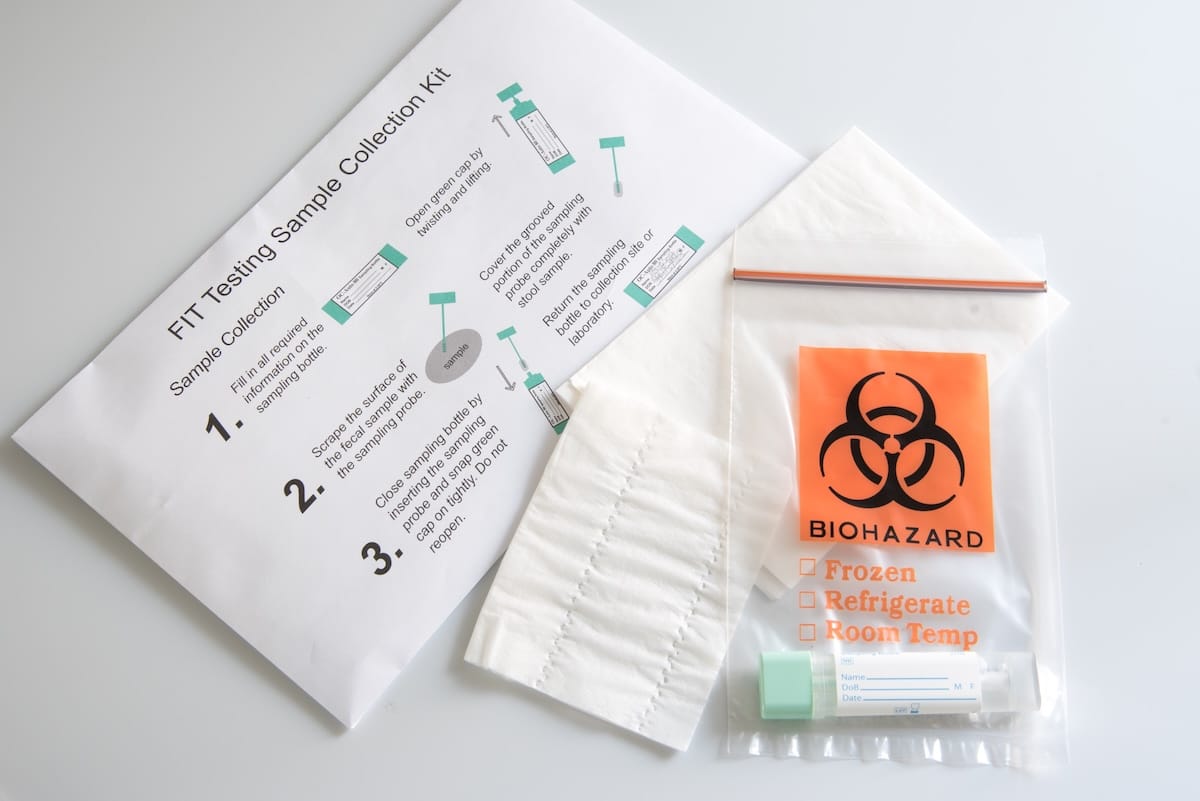
To boost screening rates, public health experts have turned to mail-in colon cancer test kits that are easier and more discreet. Patients mail back a stool sample that is analyzed for signs of colon cancer.
For the study, researchers randomly mailed one of two different stool-based screening tests to more than 5,000 CHC patients in Boston and Los Angeles.
Results showed that people were more likely to send back a sample for a newer test that looks for cancer-related DNA, rather than for a more established test that only looks for blood in a person’s stool.
About 28% of patients who received the DNA-driven test kit returned a sample, compared to about 23% folks who received the standard test kit and text-message reminders.
The DNA test kit might have had a higher completion rate because its manufacturer provided direct outreach to patients, which included a combination of scripted telephone calls, text messages and e-mails, researchers said.
It also could be because the DNA test only needs to be performed once every three years, compared to annually for the standard stool test, they noted.
However, researchers noted that only about a third (36%) of people who had an abnormal test result from their mail-in kit went on to get an in-clinic colonoscopy that could either diagnose cancer or find and remove pre-cancerous polyps.
This happened even though people with abnormal results received phone calls to educate them about next steps and schedule a colonoscopy, researchers said.
A lack of colonoscopy follow-up indicated that there are hidden barriers, researchers said. People might not have access to colonoscopy in their area, or their insurance coverage might not allow them to undergo the procedure.
“Effective screening is essential because it allows us to catch and treat cancer early,” Haas said. “There are evidence-backed, preventive interventions for [colon cancer], but they need to be implemented systematically in a way that addresses barriers for both the CHCs and the patients they are serving. The best screening test will always be the one that people are able to complete.”
More information
The American Cancer Society has more on colon cancer screening.
SOURCES: Mass General Brigham, news release, April 27, 2026; JAMA Internal Medicine, April 27, 2026


